

Barcelona remains one of Europe’s most popular tourist destinations, but 2025–2026 brings major updates to entry rules, border checks, local laws, tourist taxes, safety guidelines, and behaviour regulations. These changes are driven by Spanish authorities, who aim to manage mass tourism and protect local communities while keeping travel to Spain enjoyable and safe.
This guide brings together the latest updates from the U.S. State Department, GOV.UK, Government of Canada Global Affairs, European Union, Catalan Tourism Tax Law, and local authorities in Catalonia. It includes all relevant rules for international visitors entering Spain and navigating Barcelona’s evolving tourism framework.
Entry Requirements for Entering Spain in 2025–2026
Spain follows Schengen rules, which means visa free travel for many nationalities for up to 90 days. However, several updates apply to travelers planning to visit Barcelona.

Passport & Border Checks
- Your passport must be valid at least 3 months beyond the planned departure date (EU rule).
- Spain may request sufficient funds (approx. €118/day) and confirmed accommodation upon arrival.
- From October 2025, the Entry/Exit System (EES) registers non-EU travelers at external borders using fingerprints and a facial image.
- Beginning late 2026, U.S. travelers and several other nationalities will need ETIAS authorization, an electronic permit similar to the U.S. ESTA.
Documents You May Be Asked to Show
- Onward ticket
- Proof of travel insurance
- Address of licensed accommodation
- Confirmation of adequate passport details
These rules apply equally whether you land in Barcelona or elsewhere in the Schengen area before connecting.
Local Laws Every Visitor Must Understand
Barcelona enforces several local laws that are important for anyone visiting Spain. Breaking these rules may lead to fines issued by Spanish authorities or municipal officers.
Public Behaviour Laws
- Alcohol consumption on the street is banned across Barcelona, with fines up to thousands of euros.
- Street drinking in nightlife districts is heavily policed.
- Beachwear outside the beach is prohibited — walking in swimwear beyond the beachfront can result in fines.
- It is forbidden to photograph military installations anywhere in Spain.
- Smoking is banned on many beaches along the Mediterranean coast.
Tourist Behaviour Controls
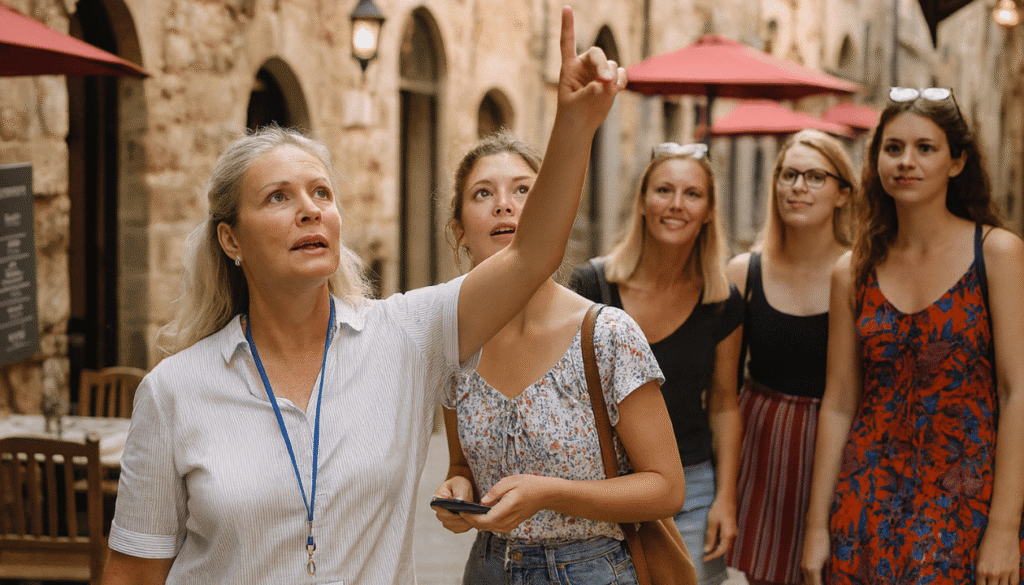
- Certain historic districts limit guided tour group sizes, restrict loudspeakers, and regulate coach access.
- Some historic areas have crowd-control rules due to political events and cultural festivals.
Driving Rules for Travelers
- Visitors driving a rental car should carry an international driving permit.
- Secure parking facilities are strongly recommended because Barcelona has a well-documented risk of theft from parked vehicles.
- Keep your personal belongings out of sight to reduce petty crime risks.
If You Lose Your Passport
If you experience a lost or stolen passport, file a police report immediately (SATE tourist police units assist international visitors in English).
Barcelona Travel Restrictions & New Regulations in 2025–2026
Barcelona has introduced sweeping new regulations designed to manage mass tourism and improve quality of life for residents.
1 Tourist Taxes in Barcelona
Barcelona applies both the Catalan tourist tax and a municipal surcharge:
- Catalonia’s luxury hotel tax: €7 per night (doubled in 2025).
- Barcelona municipal surcharge: €4 in 2025, planned to reach €5 in 2026, with potential increases to €8 by 2029.
- Total nightly fees could reach €15 per traveler.
2 Tourist Apartments & Short-Term Rentals
To address housing shortages:
- Barcelona will phase out all tourist apartments by 2028.
- Unauthorized short term rentals face strict penalties.
- Stays are moving toward licensed accommodation only.
3 New Crowd & Behaviour Regulations
- Public drinking crackdowns in hotspots.
- Ban on pub crawls extended to the Eixample district.
- Tourist coaches restricted in historic districts.
- Fines for unsafe behaviour at certain beaches.
4 Cruise Passenger Limits
Barcelona is reducing cruise terminal access to control congestion and pollution.
5 Regulations Across Other Regions
- Balearic Islands enforce limits on alcohol sales and party tourism.
- Canary Islands use visitor caps to protect natural reserves.
- Several cities restrict the number of new hotels in saturated zones.
Safety & Security Guidelines for Visiting Barcelona
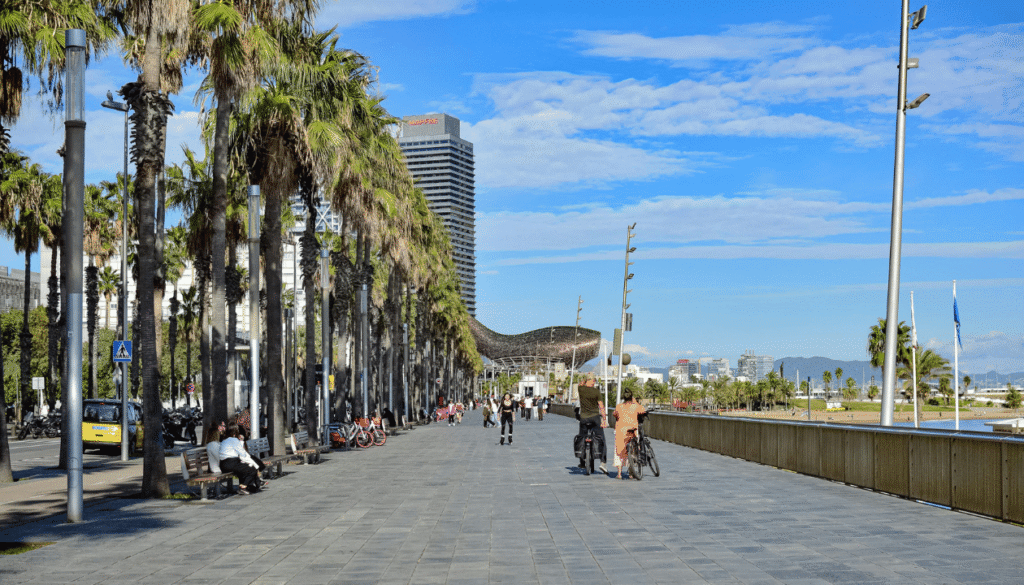
Barcelona is safe to visit, but travelers must be aware of petty crime, which is among the highest in European cities.
Pickpocketing & Theft
Surfer Facts Required — all covered here:
- There is a high risk of pickpocketing and bag snatching in tourist areas.
- Thieves often target visitors on weekends, holidays, and festivals.
- Common theft zones include Las Ramblas, Sagrada Família, metro lines, beaches, and shopping centres.
- Criminals use distraction tactics (asking for directions, pointing out stains).
- Theft from rental cars and parked vehicles is common.
- Violent crime is rare but possible, especially in home burglaries in tourist neighborhoods.
Police Support for Tourists
Barcelona operates dedicated foreign-tourist police units (SATE) offering:
- Translation services
- Assistance with emergency situations
- Help reporting petty crime
Demonstrations
Barcelona experiences frequent demonstrations linked to political events, which may disrupt:
- Public transportation
- Access to public transport hubs
- Daily movement in the city
Travelers should monitor local media and follow instructions from local authorities.
Health, Medical Treatment & Emergency Services
No COVID-19 Entry Restrictions
As of late 2025, entering Spain requires:
- No PCR test
- No vaccination proof
- No locator form
Healthcare in Spain
Spain provides high-quality medical care meeting international standards.
Health & Travel Insurance
Travel insurance is strongly recommended, especially for:
- Medical treatment
- Medical evacuation
- Loss of luggage
- Coverage for emergency situations in rural areas or coastal areas
Emergency Numbers
Dial 112 for all emergency services.
Cultural Expectations & Responsible Tourism
Spain urges visitors to be respectful of local communities, especially in Barcelona’s historic districts.
Important Cultural Notes
- Respect local laws at all times.
- Avoid discussing sensitive political topics with locals.
- In historic areas, noise and behaviour rules are strictly enforced.
Supporting Sustainable Tourism
To help Spain manage mass tourism, travelers can:
- Book trips in the shoulder season.
- Choose licensed accommodation.
- Avoid overcrowded hubs and explore alternatives in Catalonia.
- Respect conservation rules in natural areas and certain beaches.
Practical Tips for Visiting Spain in 2025–2026
✔ Carry your passport at all times
✔ Avoid carrying valuables in open bags
✔ Do not leave personal belongings unattended
✔ Always use official tour operators
✔ If in doubt, seek legal advice for disputes (property, rentals, etc.)
✔ Follow all rules about alcohol sales and consumption
✔ Stay updated with local services, weather alerts, and local media
References
https://www.gov.uk/foreign-travel-advice/spain/entry-requirements
https://www.travelweekly-asia.com/Destination-Travel/Your-guide-to-Spain-s-new-travel-rules-in-2025
https://www.barcelona.com/transportation/barcelona-airport-bcn/spain-travel-restrictions