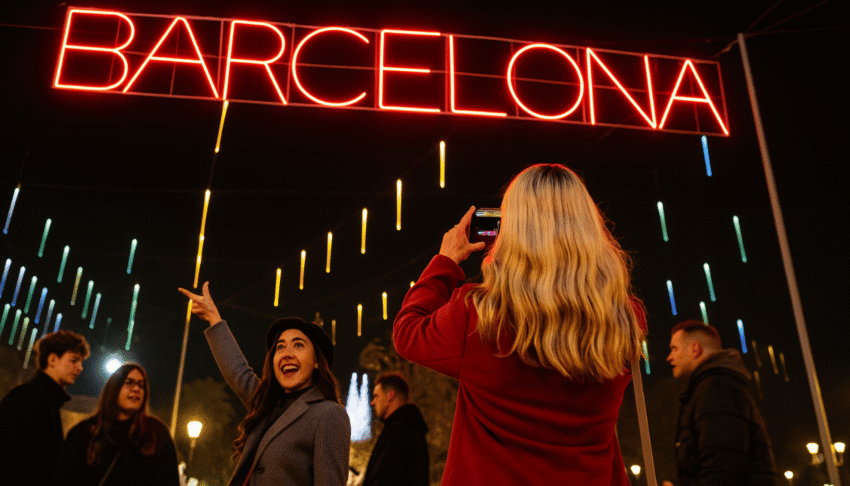
Barcelona has been officially named the European Capital of Christmas 2026, a title awarded by the European Capital of Christmas organization, a non-profit initiative supported by the European Union to celebrate cultural diversity and festive heritage across European cities. The announcement follows a meeting of the international jury in Waterford, Ireland, a group composed of experts from several Member States who evaluate each city based on traditions, sustainability, artistic proposals, and citizen participation.
This distinction places Barcelona among the leading Christmas capital destinations in Europe, joining a list of winners that includes Strasbourg, Wels, and Kirkop. The award is symbolic, but it carries significant cultural weight and recognises the city’s ability to create a festive environment enriched by centuries of history, art, and deeply rooted Catalan traditions.
Why Barcelona Won the Title
The jury highlighted Barcelona’s capacity to unite merging Catalan traditions with contemporary creativity, creating a festive model that feels both historic and innovative. The city’s Christmas landscape has developed into a warm and multicultural environment shaped by:
- Artistic Christmas lights and decorations
- Long-standing rituals such as the Tió de Nadal, Els Pastorets, nativity scenes, and the Caganer
- A calendar of events that includes concerts, markets, and exhibitions
- A strong commitment to sustainability, including energy-efficient lighting and careful collection of Christmas trees and vegetal materials after the festive season
Barcelona’s bid was entered in the category for cities with more than 100,000 inhabitants. According to officials, the city’s model “fills the streets with warmth, magic, and joyful lights” while prioritising low-consumption LED technology and sustainable fair management.
What the Title European Capital of Christmas Means for Barcelona
Although the title does not include financial benefits, it gives the city international visibility and recognition as a holiday destination that can inspire other European cities.
As part of the obligations linked to the distinction:
- Barcelona must develop a public program of activities themed around the Christmas spirit
- The city will expand its signature lighting across more areas
- Local businesses, creators, and residents will be invited to take part in the initiatives
- A comprehensive plan for cultural engagement must be submitted
- Special attention will be given to citizen involvement, crafts, markets, and community gatherings
City representatives have already confirmed that the Christmas program will continue building on their strategic cultural model, integrating both traditional customs and new artistic ideas.
What to Expect for Christmas 2026 in Barcelona
So, what should one really expect from Christmas 2026 in Barcelona? Here are a few things listed that you must experience if you spend your 2026 Christmas in Barcelona.
More Signature Lighting Across the Whole City
Barcelona has announced an increase in illuminated streets, with new installations for 2026. The city already invested €3.8 million in 2025, extending lighting to 126 kilometers of urban space. Designs include:
- LED candle-like structures on Gran Via
- Heart-shaped formations in Plaça Catalunya
- Paving-stone-inspired displays on Via Laietana
- Luminous phrases referencing classic Catalan Christmas sayings
- Playful windows and festive displays across various neighbourhoods
For 2026, the city aims to add even more shimmering lights to enhance the holiday spirit.
Christmas Markets and Local Traditions
Barcelona’s festive markets are essential to the celebration. These historic markets, particularly the Fira de Santa Llúcia, remain at the centre of the city’s seasonal identity. Stalls selling crafts, ornaments, figurines, and local delicacies transform the city centre into a beautifully decorated holiday hub.
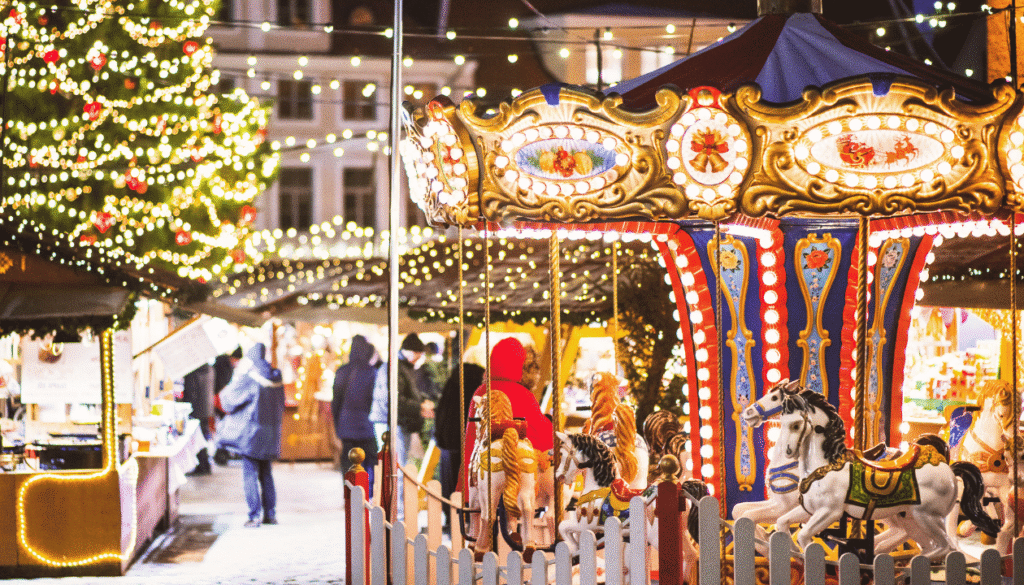
Key highlights include:
- Fira de Santa Llúcia (dated to 1786)
- The Sagrada Família Christmas fair
- Eco-friendly market zones emphasising sustainability
- Christmas tree collection points across the city after the holidays
At the same time, Barcelona aims to integrate modern technology into its Christmas market experience, offering improved interactive features for visitors and residents.
Festive Calendar from November to Early January
The festive season in Spain traditionally extends from late November to early January, covering Christmas Eve, Christmas Day, New Year’s Eve, and the highly anticipated Three Kings Parade. Each year, the lights are switched on during a public spectacle, often hosted on Passeig de Gràcia, drawing large crowds as twinkling lights illuminate the night air.
The 2026 program will continue to emphasise:
- Advent activities
- Live music, theatre, and concerts
- Family-friendly traditions
- Cultural heritage exhibitions
- Performances inspired by Catalan folklore
- Community celebrations in squares and churches
The Three Kings Parade, one of the city’s most important events, will remain a major attraction.
How Barcelona Compares to Other European Christmas Capitals
When discussing Europe’s most iconic festive destinations, Strasbourg often comes to mind. Known globally as the “Capital of Christmas”, Strasbourg hosts one of Europe’s oldest and largest Christmas markets, the Strasbourg Christmas Market, dating from 1570, set across well-known squares like Place Broglie and Place Kléber. With over 300 chalets and millions of visitors, the market offers mulled wine, Alsatian cuisine, and handcrafted goods.
While Barcelona’s festive traditions differ, its combination of Mediterranean culture, warm climate, and creative displays positions it uniquely among Christmas destinations in France, Austria, Switzerland, Norway, Malta, and other winter-favourite countries.
A Celebration Rooted in Community and Culture
Barcelona’s recognition as the European Capital of Christmas 2026 not only honours its rich festive legacy but also sets the stage for new initiatives that highlight creativity, sustainability, and community life.
This title reinforces the idea that Christmas is not just a season of wonder, lights, and celebration, but an opportunity to share traditions, promote cultural exchange, and inspire unity across Europe.
FAQs
Is Barcelona worth visiting at Christmas?
Yes. Barcelona offers a unique Christmas experience with festive markets, artistic lights, mild weather, and rich Catalan traditions.
Where is the Christmas capital in Europe?
Strasbourg in France is widely known as the historic Christmas capital due to its centuries-old markets and grand holiday displays.
What is the Christmas Capital of Europe?
Strasbourg holds the traditional title, though the European Capital of Christmas award changes annually.
What is the most Christmassy city in Europe?
Strasbourg, with its historic chalets, festive squares, and glowing streets, is often considered the most Christmassy.
What’s the best place in Europe for Christmas?
It depends on preference, but Strasbourg, Vienna, Prague, and Barcelona offer distinct and memorable holiday settings.
What city is known as Christmas City?
Different cities use the name informally, but Strasbourg is most internationally recognised for this identity.
References:
https://en.ara.cat/society/barcelona-wants-to-be-the-european-capital-of-christmas_1_5551837.html